Ensuring Safety in Concrete Pumping: Best Practices and Tips Apr 08, 2026
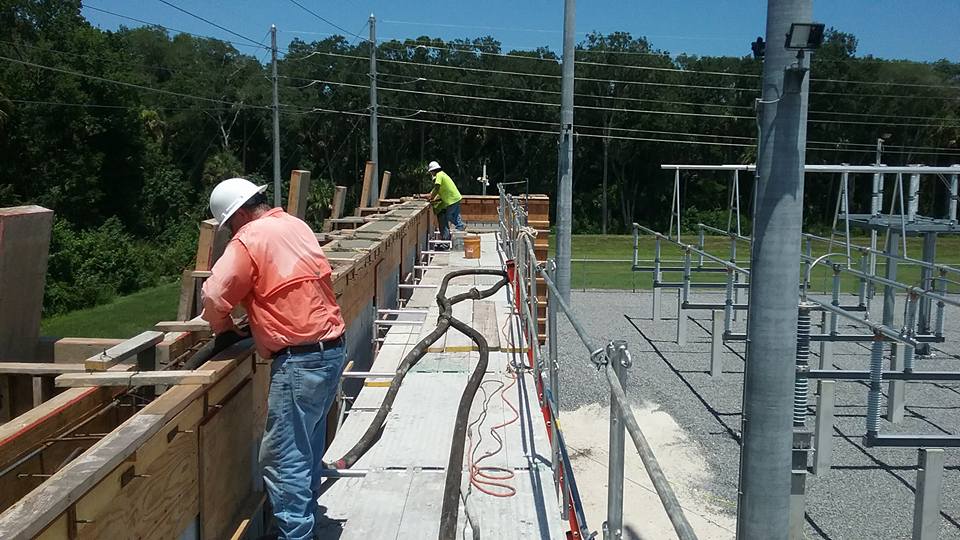
Concrete pumping, although straightforward in concept, involves sophisticated machinery and requires skilled operators to execute the job effectively while mitigating risks. An informed approach begins with a well-trained crew. Personnel operating the pumps should be thoroughly trained in their operation, maintenance, and the overall safety protocols. Regular training sessions help reinforce these practices, keeping the team prepared for safety challenges on the job site.
Pre-operational checks are another cornerstone of a safe concrete pumping operation. These checks involve inspecting the equipment, ensuring hoses, pipes, and clamps are in good condition, and verifying appropriate safety gear, like helmets and gloves, is readily available and used. A meticulous pre-check routine can identify potential hazards before they lead to equipment failure or operator injury.
A critical aspect often overlooked is maintaining clear communication. Develop a robust communication protocol among the crew members to ensure everyone is aware of the operational plan and any changes that may arise. The use of hand signals is an effective way for operators and ground personnel to communicate without words in noisy environments. Having a dedicated spotter who can oversee the operation and communicate with the pump operator can avert mishaps, enhancing safety.
In terms of the operational environment, it's crucial to assess the worksite thoroughly. Make sure the ground is stable to support the heavy machinery, and always be mindful of overhead power lines and structures. Position the pump truck so that it allows for optimal reach and accessibility, reducing the need for repositioning, which can pose additional risks.
During actual pumping, the focus should be on maintaining consistent pressure. Changes in the concrete mix or the presence of blockages can cause pressure variations that might lead to hose whiplash or bursts. Always have a safety plan in place to address such occurrences swiftly. Shut-off systems and emergency stop mechanisms should be inspected and readily functional to tackle any unexpected scenarios.
At HP Concrete Pumping, Inc., we advocate for routine maintenance schedules. Regular maintenance not only ensures the longevity of the machinery but also prevents accidents caused by mechanical failures. A comprehensive inspection plan involves checking hydraulic systems, lubrication, filters, and electrical components to keep everything in optimal working condition.
In conclusion, prioritizing safety in concrete pumping is a multifaceted approach that involves trained personnel, thorough equipment checks, effective communication, a safe working environment, and regular machinery maintenance. These best practices not only protect the crew and enhance operational efficiency but also ensure the satisfaction and safety of everyone involved in the project. At HP Concrete Pumping, Inc., our commitment to safety is unwavering, ensuring our services maintain the highest standards while delivering exceptional concrete pumping solutions.
/filters:no_upscale()/filters:format(webp)/media/91cfe914-e4e5-4d56-b1d0-25d0891fff3c.jpg)